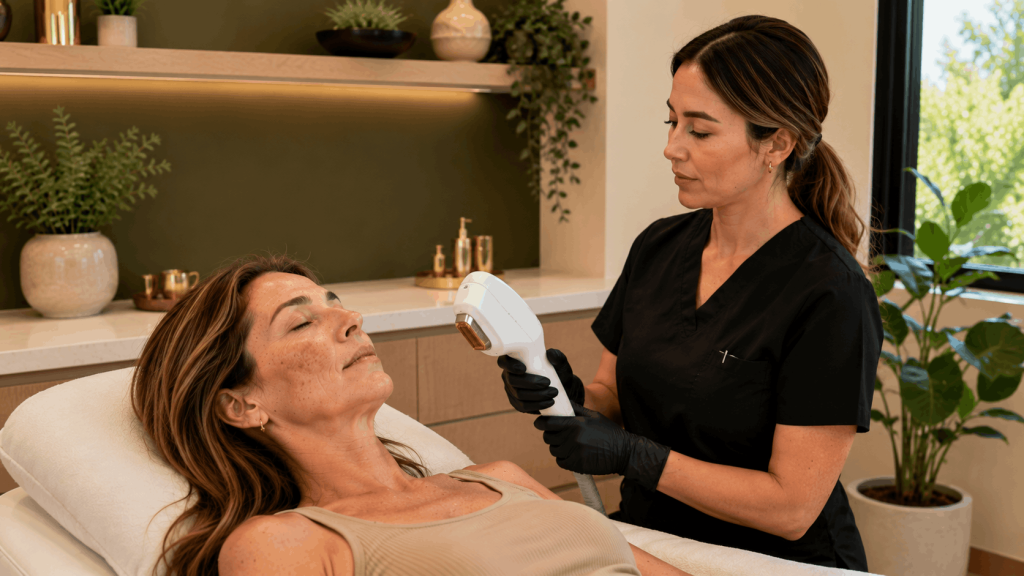
Stretch marks are one of the most common skin concerns affecting both men and women. They can develop during pregnancy, puberty, rapid weight changes, muscle growth, and other periods of significant body transformation. While stretch marks are completely normal, many people seek treatment to improve their appearance and restore smoother-looking skin.
One of the most important factors influencing treatment success is timing. Not all stretch marks are the same, and the stage of healing can significantly impact which treatment approach may be most effective. Understanding stretch mark treatment stages can help patients make informed decisions and set realistic expectations for improvement.
At Greenspring Medical Aesthetics, treatment recommendations are customized based on the age, appearance, and severity of the stretch marks. Because stretch marks evolve over time, choosing the right treatment for the appropriate stage can often improve outcomes and support healthier-looking skin.
Jump To:
- TLDR Guide
- Detailed Breakdown
- What Are Stretch Marks?
- Understanding the Different Stretch Mark Treatment Stages
- Stage 1: Early Red, Pink, or Purple Stretch Marks
- Stage 2: Transitional Stretch Marks
- Stage 3: Mature White Stretch Marks
- Which Treatments May Help During Early Stretch Mark Stages?
- Fractional Laser Treatment for Stretch Marks
- CO2 Fractional Laser for More Established Stretch Marks
- Why Stretch Mark Age Matters
- Can Body Contouring Be Part of a Comprehensive Plan?
- What Results Can You Realistically Expect?
- Why Professional Assessment Is Important
- Key Takeaways
- FAQs
TLDR Guide
Stretch marks change as they heal, and different treatment approaches may be more appropriate at different stages. Early stretch marks tend to respond differently than mature stretch marks because the skin’s healing processes are still active.
Key points to know:
- Stretch marks progress through multiple healing stages.
- Early stretch marks often appear red, pink, or purple.
- Mature stretch marks typically fade to lighter colors over time.
- Treatment recommendations vary based on the age and severity of the marks.
- Laser-based treatments may help support skin remodeling and collagen production.
- Earlier intervention may offer advantages for some patients.
Understanding stretch mark treatment stages can help you choose the most appropriate strategy for your skin and long-term goals.
Detailed Breakdown
What Are Stretch Marks?
Stretch marks, also known as striae, develop when the skin stretches more rapidly than its supporting structures can accommodate. This stretching can cause disruption within the deeper layers of the skin, resulting in visible lines or streaks.
Common causes include:
- Pregnancy
- Weight gain
- Weight loss
- Puberty
- Muscle growth
- Hormonal changes
- Genetics
Although stretch marks are not harmful, many people seek treatment because they can affect confidence and body image.
A professional evaluation can help determine the most appropriate approach based on the current stage of healing.
Understanding the Different Stretch Mark Treatment Stages
Stretch marks do not appear and remain unchanged. Instead, they progress through a series of healing phases that affect both their appearance and treatment response.
These stretch mark treatment stages generally include:
- Early inflammatory stage
- Transitional stage
- Mature stage
Each stage presents unique characteristics and treatment considerations.
Stage 1: Early Red, Pink, or Purple Stretch Marks
New stretch marks often appear red, pink, purple, or reddish-brown depending on skin tone. During this stage, the skin is actively responding to structural changes and inflammation.
These newer stretch marks may appear:
- Raised
- More noticeable
- Brighter in color
- Wider in appearance
Because active healing is still occurring, this stage may present opportunities for earlier intervention.
Why Early Treatment Matters
During the early phase, collagen remodeling is still taking place. Addressing stretch marks before they fully mature may help support the skin’s natural repair processes.
Patients often achieve the best outcomes when concerns are evaluated promptly rather than waiting several years before seeking treatment.
Stage 2: Transitional Stretch Marks
As stretch marks continue healing, the bright coloration often begins to fade. The marks may become less inflamed but remain visible due to texture changes and underlying skin disruption.
Characteristics often include:
- Reduced redness
- Less inflammation
- Increased texture irregularities
- Persistent visibility
At this point, treatment goals often shift toward improving texture, stimulating collagen production, and supporting smoother skin.
Stage 3: Mature White Stretch Marks
Mature stretch marks are typically lighter in color and may appear white, silver, or slightly depressed compared to surrounding skin.
These marks often represent the final phase of healing and may be characterized by:
- Loss of pigment
- Thinner skin
- Reduced elasticity
- More visible texture changes
Although mature stretch marks can be more challenging to improve, modern treatment options may still help enhance their appearance.
Which Treatments May Help During Early Stretch Mark Stages?
Treatment recommendations vary based on individual circumstances, but early intervention often focuses on supporting healthy skin remodeling.
Patients seeking stretch mark removal solutions may benefit from discussing treatment options before stretch marks fully mature.
Potential goals during the early stage include:
- Supporting collagen production
- Improving skin texture
- Encouraging healthier skin regeneration
- Reducing visibility over time
Professional evaluation helps determine the most appropriate timing and treatment strategy.
Fractional Laser Treatment for Stretch Marks
One option commonly considered across multiple stretch mark treatment stages is fractional laser treatment.
Fractional lasers create controlled micro-injuries within the skin that stimulate the body’s natural healing response. This process encourages collagen production and may help improve the appearance of texture irregularities associated with stretch marks.
Potential benefits may include:
- Improved skin texture
- Enhanced collagen remodeling
- Smoother skin appearance
- Reduced visibility of stretch marks
Treatment recommendations vary based on the age and severity of the marks being addressed.
CO2 Fractional Laser for More Established Stretch Marks
For patients with more mature or pronounced stretch marks, CO2 fractional laser treatments may be considered as part of a customized treatment plan.
CO2 laser technology is often used for more intensive resurfacing and collagen stimulation.
Patients frequently explore this option when concerns include:
- Older stretch marks
- Significant texture changes
- Long-standing skin irregularities
- More advanced cosmetic concerns
Because treatment intensity varies, a consultation is important for determining candidacy and expectations.
Why Stretch Mark Age Matters
One of the most important concepts in stretch mark treatment stages is understanding that newer stretch marks and older stretch marks may respond differently.
Factors that influence treatment outcomes include:
- Stretch mark age
- Skin type
- Genetic factors
- Treatment consistency
- Overall skin health
While earlier intervention may provide certain advantages, many patients still achieve noticeable improvement even when treating older stretch marks.
The key is selecting an appropriate treatment strategy based on the current stage of healing.
Can Body Contouring Be Part of a Comprehensive Plan?
Many patients who develop stretch marks also experience changes in body shape due to weight fluctuations, pregnancy, or lifestyle changes.
The Body Contouring Category offers information about treatments designed to address body-related aesthetic concerns that may accompany stretch marks.
While body contouring treatments do not directly remove stretch marks, some patients choose to explore multiple treatment options as part of a broader body confidence and rejuvenation strategy.
What Results Can You Realistically Expect?
One of the most common questions patients ask is whether stretch marks can be completely removed.
In most cases, treatment focuses on:
- Improving appearance
- Smoothing texture
- Supporting collagen production
- Reducing visibility
- Enhancing overall skin quality
Complete elimination is not always realistic, but meaningful improvement is often possible with an individualized treatment plan.
Why Professional Assessment Is Important
Every patient’s skin is unique, which is why treatment recommendations should never be based solely on online photos or generalized advice.
Professional evaluation helps determine:
- The current stage of healing
- Stretch mark severity
- Skin characteristics
- Treatment suitability
- Realistic expectations
A personalized plan helps ensure that treatment choices align with your specific concerns and goals.
Key Takeaways
Understanding stretch mark treatment stages is one of the most important factors in selecting the right treatment approach. Because stretch marks evolve over time, the age and appearance of the marks can influence which treatments may provide the most benefit.
Key takeaways include:
- Stretch marks progress through early, transitional, and mature stages.
- Early stretch marks often appear red, pink, or purple.
- Mature stretch marks generally fade to lighter colors over time.
- Fractional laser treatment may support collagen remodeling and texture improvement.
- CO2 fractional laser may be considered for more established stretch marks.
- Treatment plans should be customized based on stretch mark age and severity.
- Professional evaluation helps guide appropriate treatment selection.
The most effective approach is one that considers the specific stage of healing and creates a personalized plan designed to improve skin appearance over time.
FAQs
What are the different stretch mark treatment stages?
Stretch marks generally progress through early, transitional, and mature stages. Early stretch marks often appear red or purple, while mature stretch marks usually become lighter in color. Understanding the stage can help determine which treatments may be most appropriate.
Do newer stretch marks respond better to treatment?
In many cases, newer stretch marks may respond differently because the skin is still actively remodeling and healing. Early intervention can sometimes support collagen production and skin improvement. However, mature stretch marks may also benefit from professional treatment options.
How does fractional laser treatment help stretch marks?
Fractional laser treatment works by creating controlled micro-injuries that stimulate the body’s natural healing response. This process encourages collagen production and may help improve texture irregularities. Results vary depending on the age and severity of the stretch marks.
Can mature white stretch marks still be treated?
Yes, mature stretch marks may still be treated even after they have fully healed. While treatment goals and outcomes differ from newer stretch marks, improvements in texture and appearance are often possible. A professional consultation can help determine the best approach.
Can stretch marks be completely removed?
Complete removal is not always possible because stretch marks involve structural changes within the skin. Most treatments focus on improving texture, reducing visibility, and enhancing overall skin quality. Realistic expectations are an important part of any treatment plan.