Stubborn fat doesn’t always respond to clean eating and consistent workouts. Even when you’re close to your ideal weight, certain areas—like the abdomen, thighs, or love handles—can resist change. That’s why many patients start researching body contouring options and quickly discover there are multiple fat reduction treatments available.
At Greenspring Medical Aesthetics, one of the most common questions we hear is how non-invasive fat removal compares to other fat reduction treatments. Understanding the differences between surgical and non-surgical approaches can help you make a confident, informed decision about your body goals.
Jump To:
- TLDR – Quick Guide
- Detailed Breakdown
- Key Takeaways
- FAQs
TLDR – Quick Guide
- non-invasive fat removal targets fat cells without surgery or downtime.
- Surgical fat reduction offers immediate results but involves recovery and higher risk.
- Weight loss reduces fat cell size; body contouring reduces fat cell numbers.
- Ideal candidates are near their goal weight seeking contour refinement.
- Personalized consultations ensure the safest and most effective approach.
Detailed Breakdown
What Is non-invasive Fat Removal?
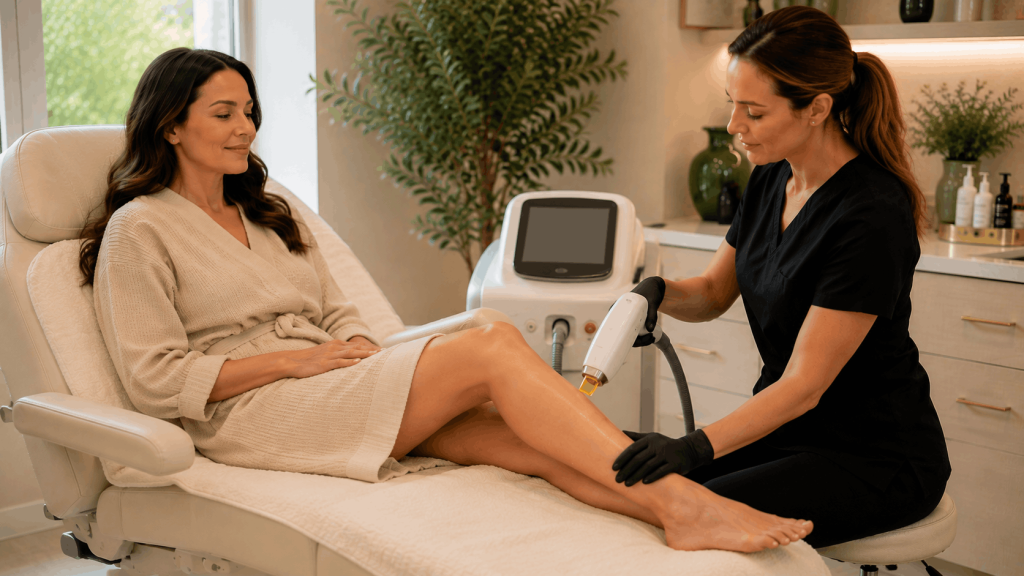
Non-invasive fat removal refers to treatments that reduce localized fat without incisions, anesthesia, or surgical recovery. These treatments use advanced technology—such as controlled cooling or heat energy—to damage fat cells safely. The body then naturally eliminates those cells over time.
Key benefits include:
- No surgery
- Minimal to no downtime
- Gradual, natural-looking results
- Lower risk compared to invasive procedures
At Greenspring Medical Aesthetics, non-surgical body contouring is designed for patients who want to refine specific areas rather than dramatically change their weight.
How It Compares to Surgical Fat Reduction
Surgical fat reduction, such as liposuction, physically removes fat through small incisions. While effective, it involves anesthesia, swelling, bruising, and recovery time.
Here’s how the two approaches compare:
non-invasive Fat Removal:
- No incisions
- No general anesthesia
- Minimal discomfort
- Gradual results over weeks
- Return to daily activities quickly
Surgical Fat Reduction Treatments:
- Immediate fat removal
- Requires anesthesia
- Recovery period required
- Higher cost and risk profile
- Potential scarring
For many patients, the appeal of non-surgical options lies in safety, convenience, and subtle refinement.
How It Differs from Traditional Weight Loss
Weight loss and body contouring are not the same. Diet and exercise shrink fat cells throughout the body. non-invasive fat removal reduces the number of fat cells in targeted areas.
This distinction matters because:
- Weight loss may not eliminate stubborn pockets
- Body contouring focuses on shape, not scale numbers
- Targeted treatment improves symmetry and proportion
Patients often combine healthy lifestyle habits with non-surgical contouring for optimal results.
Comparing Other Fat Reduction Treatments
There are several categories of fat reduction treatments available today. These include:
Surgical Liposuction
Best for larger-volume fat removal but requires downtime and carries surgical risks.
Injectable Fat Dissolvers
Typically used for smaller areas such as under the chin. Results develop gradually and may require multiple sessions.
Radiofrequency-Based Treatments
May offer mild fat reduction while improving skin tightening. Results are generally subtle.
Non-invasive Fat Removal Technologies
Often provide a balanced approach—significant enough to refine contour while maintaining safety and convenience.
Choosing the right option depends on treatment goals, tolerance for downtime, and desired timeline for results.
Who Is the Best Candidate?
Non-invasive fat removal and fat reduction treatments are ideal for:
- Individuals near their ideal weight
- Patients with localized, pinchable fat
- Those seeking contour improvement rather than major weight loss
- People wanting to avoid surgery
It is not designed for obesity treatment. Instead, it enhances body shape and definition in targeted areas.
What Results Look Like
Results from non-invasive contouring typically appear gradually over several weeks. Most patients begin noticing improvement within one to two months as the body metabolizes treated fat cells.
Expected outcomes include:
- Slimmer appearance in treated areas
- Improved waistline or thigh definition
- Smoother transitions between body contours
- Enhanced overall proportions
Maintaining a stable weight helps preserve results long term.
Safety and Recovery Considerations
Safety is one of the biggest reasons patients choose non-surgical options. Because there are no incisions or anesthesia, risks are significantly reduced compared to surgery.
Most patients experience:
- Temporary redness or sensitivity
- Mild swelling
- Minimal interruption to daily activities
This makes non-invasive fat removal appealing for individuals with busy schedules.
Why Consultation Matters
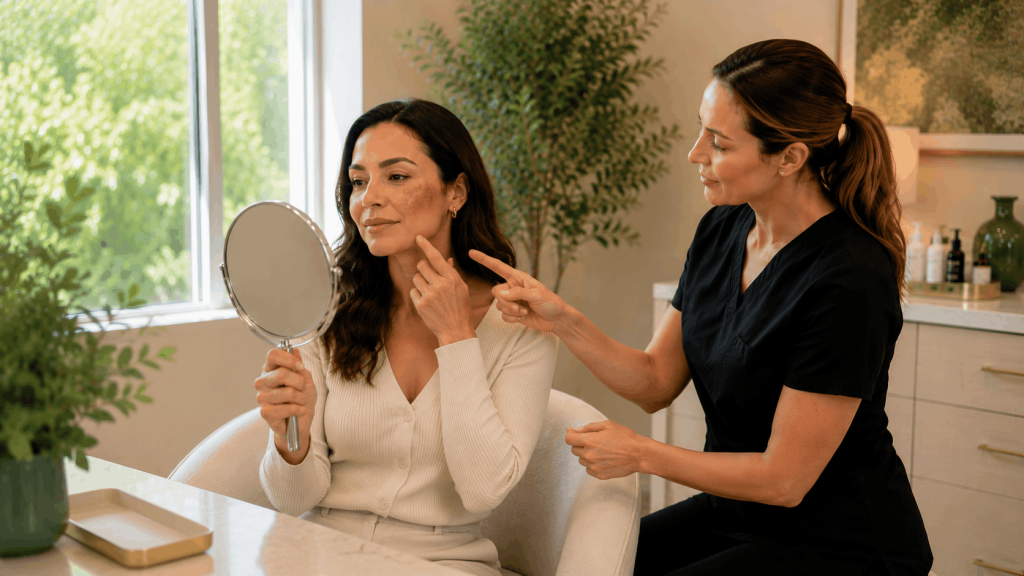
Every body is different. Fat distribution, skin elasticity, and personal goals vary significantly. At Greenspring Medical Aesthetics, consultations focus on:
- Identifying target areas
- Assessing skin firmness
- Reviewing medical history
- Setting realistic expectations
- Creating a customized treatment plan
Personalized planning ensures your chosen approach aligns with both safety and outcome goals.
Key Takeaways
- non-invasive fat removal offers contour improvement without surgery.
- Surgical fat reduction provides immediate results but involves downtime and higher risk.
- Body contouring differs from weight loss by targeting specific areas.
- Ideal candidates are close to their goal weight.
- Professional evaluation ensures optimal treatment selection.
FAQs
1. How long does non-invasive fat removal take to show results?
Most patients begin seeing changes within several weeks. Full results typically develop over two to three months. The body needs time to eliminate treated fat cells naturally.
2. Is non-surgical fat reduction permanent?
Treated fat cells are permanently eliminated. However, remaining fat cells can still expand with significant weight gain. Maintaining a stable lifestyle helps preserve results.
3. Does non-invasive fat removal tighten skin?
Some technologies provide mild skin tightening benefits. However, if significant laxity exists, additional treatments may be recommended. A consultation determines the best approach.
4. Can non-invasive treatments replace liposuction?
For patients seeking subtle contour refinement, they can be an excellent alternative. However, those wanting large-volume fat removal may still require surgical options. Treatment goals determine suitability.
5. Is there downtime after treatment?
Most patients return to daily activities immediately. Mild temporary redness or swelling may occur. Compared to surgical procedures, downtime is minimal.